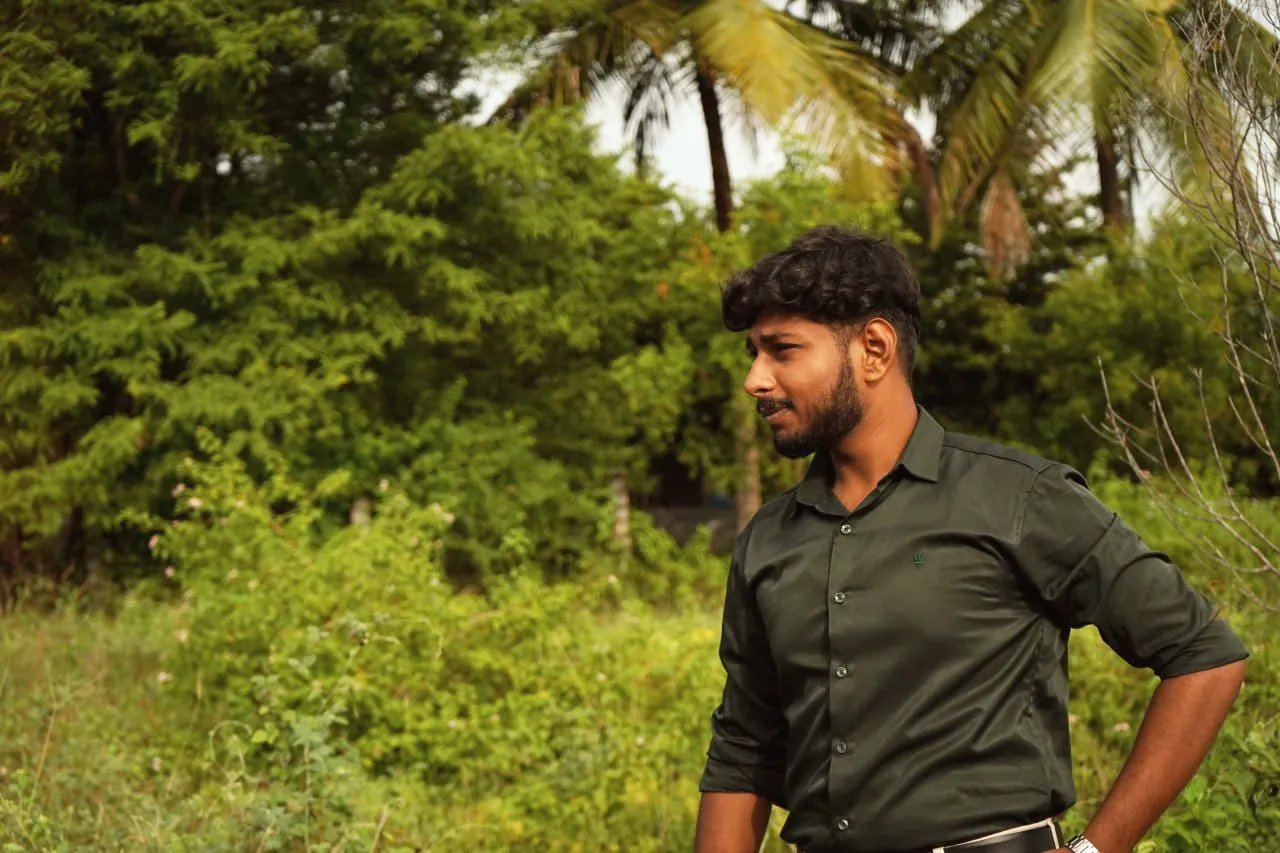
Professional Context

About

I'm a software engineer who builds, maintains, and evolves systems over time.

My work focuses on product development, system design, and making technical decisions that matter months after deployment. I care about software that continues to work when constraints change, data grows, and requirements evolve.

This means thinking about schema migrations, API contracts, and trade-offs that aren't obvious until systems meet real usage.

01

Engineering Focus

How I work as a software engineer

I start from the problem domain, not the framework. The right data model often matters more than the technology stack.

  • 01Prefer simple data models that can evolve without breaking existing functionality
  • 02Think in terms of trade-offs, not universal best practices
  • 03Optimize for clarity and debuggability before performance
  • 04Treat bugs and failures as design feedback, not mistakes
  • 05Avoid premature abstractions but refactor deliberately when patterns emerge
02

System Thinking

Systems, not just features

Software engineering is about managing complexity over time. This means designing systems that can change without breaking.

Database and schema evolution

Schema changes in production require careful migrations. Adding a column is easy; changing relationships between tables without downtime is not. I've learned to design schemas that anticipate growth.

API contracts and backwards compatibility

Breaking API changes cascade through systems. Deprecation windows, versioning strategies, and client-side error handling are not optional—they're part of the design.

Performance considerations

Performance is a feature, but premature optimization wastes time. I profile first, optimize second, and focus on bottlenecks that affect real usage patterns.

Handling production bugs

Production bugs teach what development environments don't. Edge cases, race conditions, and incorrect assumptions surface when systems meet real data. Good error logging and monitoring make these lessons actionable.

Working with imperfect data

Real-world data is messy. Null values, encoding issues, and inconsistent formats are the norm. Systems must handle these gracefully without failing silently.

Trade-offs between speed and correctness

Shipping fast matters, but correctness debt compounds. I choose trade-offs consciously and document what was deferred, not ignored.

03

Collaboration

Open source and collaboration

I contribute to open source projects to learn from large, real-world codebases and to improve tools I depend on. Open source work has taught me to read code before writing it and to respect the constraints of shared systems.

Good contributions are minimal and safe. They fit within existing patterns, include tests, and explain trade-offs in commit messages. The goal is to leave the codebase better than I found it without introducing new complexity.

Documentation is as important as code. Clear README files, migration guides, and inline comments reduce friction for future contributors. I write documentation that I would want to read six months later.

04

Trade-offs

Decision-making in practice

Software decisions are trade-offs. Choosing a database means accepting its consistency model. Choosing a framework means accepting its abstractions and upgrade path.

I evaluate trade-offs by asking: What happens when this fails? How hard is it to change? What does this cost in six months? These questions prevent decisions that optimize for today at the expense of tomorrow.

Technical debt is inevitable. The difference between good and bad debt is whether it was accepted consciously. I document why shortcuts were taken and what the payback plan is.

Revisiting decisions is normal. As systems grow, constraints change. What worked at 1,000 users may not work at 100,000. I'm comfortable admitting when an earlier decision no longer fits.

05

Values

What I value in software work

Clear ownership:Knowing who is responsible for what eliminates coordination overhead
Thoughtful reviews:Code review that improves design, not just syntax
Calm incident handling:Blameless post-mortems that focus on systems, not individuals
Learning from failures:Bugs and outages are feedback, not career-limiting events
Sustainable pace:Marathon not sprint—systems outlast heroics

I'm interested in work where software quality, long-term thinking, and problem understanding matter more than shipping quickly at any cost.

I prefer thoughtful teams building meaningful systems with impact that extends beyond the next sprint.